
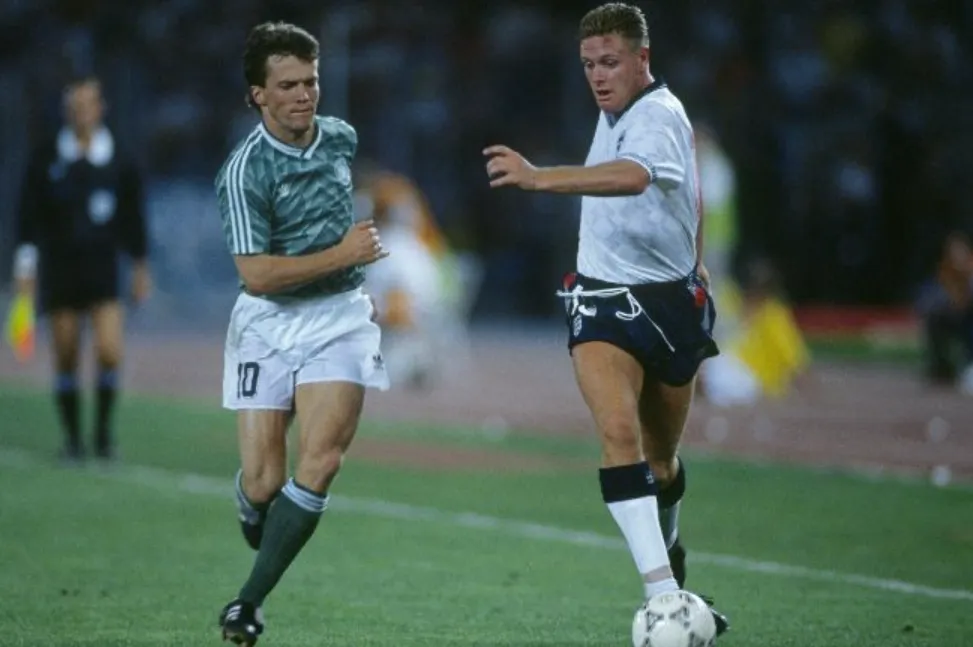
In the ever-evolving landscape of football tactics, few roles capture the imagination quite like the box-to-box midfielder. These tireless warriors have become the heartbeat of successful teams, seamlessly transitioning between defensive duties and attacking responsibilities. While the modern game has seen the rise of specialized positions and rigid formations, the box-to-box midfielder remains a timeless archetype that continues to fascinate fans and pundits alike. From their ability to break up opposition plays to their knack for arriving late in the box to score crucial goals, these players embody the very essence of football’s dynamic nature.
Who Was the Prototype Box-to-Box Midfielder?
Before diving into the current generation, it’s essential to understand the players who defined this role. Legends like Bryan Robson, Lothar Matthäus, and Patrick Vieira set the standard for what it means to dominate both ends of the pitch. However, the modern iteration of this role has been perfected by players who combine relentless energy with technical excellence.
The Modern Pioneers
Players like Steven Gerrard, Yaya Touré, and Frank Lampard redefined expectations for midfielders in the Premier League. Gerrard’s thunderous strikes from distance, Touré’s powerful runs through midfield, and Lampard’s incredible goal-scoring record from midfield set benchmarks that still seem unattainable today.

The Technical and Tactical Evolution
The box-to-box midfielder has evolved significantly over the past decade. Let’s break down the key attributes that define this role in today’s game.
Physical Demands and Stamina
Modern data analytics reveal that elite box-to-box midfielders cover between 11-13 kilometers per match, with high-intensity sprints accounting for nearly 20% of their distance. According to sports scientist Dr. Mark Williams, “The modern midfielder needs the cardiovascular capacity of a marathon runner combined with the explosive power of a sprinter. This is perhaps the most demanding position in football.”

Tactical Intelligence
The ability to read the game and make split-second decisions separates good midfielders from great ones. Former Arsenal manager Arsène Wenger once noted that a box-to-box midfielder must process information three times faster than other players because they’re constantly switching between offensive and defensive mentalities.
Why This Role Matters More Than Ever
The Defensive Contribution
One of the most underappreciated aspects of box-to-box midfielders is their defensive work. Modern teams often press high, requiring midfielders to engage in aggressive counter-pressing. The ability to win back possession and immediately transition into attack is invaluable. Jeetbuzz football analysts have highlighted that teams with a dominant box-to-box midfielder maintain 15-20% more ball possession in dangerous areas compared to teams without one.
The Offensive Threat
When attacking, these players provide the crucial third-man runs that destabilize opposition defenses. Their ability to arrive late in the box, unmarked, often leads to decisive goals. Consider how Jude Bellingham has transformed Real Madrid’s attack this season, or how Eduardo Camavinga impacts games with his driving runs from deep positions.
Statistical Analysis and Performance Metrics
Key Metrics for Box-to-Box Midfielders
Modern analytics departments focus on several key performance indicators:
Distance Covered: Top performers average over 12km per game
Tackles + Interceptions: Elite players contribute 5-7 combined defensive actions
Progressive Carries: At least 8-10 carries that advance play significantly
Pass Completion: Minimum 82% while attempting forward passes
Goals + Assists: Expected contribution of 8-12 per season from midfield
The Impact on Team Dynamics
Building Through the Middle
Teams like Manchester City, Arsenal, and Barcelona have demonstrated that a strong midfield foundation allows for greater tactical flexibility. Jeetbuzz tactical analysts note that when a team possesses a world-class box-to-box midfielder, they can adapt their formation seamlessly between 4-3-3, 4-2-3-1, and even 3-4-3 systems without losing structural integrity.
Creating Overloads
The ability to create numerical advantages in different areas of the pitch is perhaps the most significant tactical contribution of box-to-box midfielders. By making intelligent runs, they force opposing defenders to make difficult decisions, often creating spaces for teammates.
Future Trends and Predictions
The Rise of Hybrid Midfielders
As football tactics continue to evolve, we’re seeing the emergence of hybrid midfielders who combine traditional box-to-box qualities with specialized skills. Players like Federico Valverde exemplify this trend, offering world-class pressing ability while also possessing the technical capacity to play as a winger or attacking midfielder.
Data-Driven Development
Youth academies are increasingly using GPS tracking and performance analytics to identify and develop future box-to-box midfielders. According to performance coach Sarah Thompson, “We’re seeing players as young as 14 being specifically trained for this demanding role, with emphasis on cognitive training and positional awareness.”
Conclusion
The box-to-box midfielder remains the most complete player in modern football, embodying the perfect marriage of physical prowess, technical ability, and tactical intelligence. As the game continues to evolve, these dynamic players will remain essential to any team’s success. Whether you’re a casual fan or a seasoned tactical analyst, appreciating the subtle brilliance of these midfield maestros adds a whole new dimension to watching the beautiful game.
We’d love to hear your thoughts! Who do you think is the most underrated box-to-box midfielder in world football right now? Share your opinions in the comments below, and don’t forget to explore our other tactical analyses for deeper insights into the game we all love.
