

The beautiful game is not always so beautiful beneath the surface. Recent global conversations have forced a painful but necessary re-examination of past events in football, casting a stark light on experiences many would rather forget. For former England internationals like Lianne Sanderson, old wounds are being reopened, revealing a complex history of alleged racism, difficult loyalties, and a culture that often failed its players. This is a deep dive into the uncomfortable realities that have shaped the careers of some of the sport’s most prominent figures.
A Celebration That Still Stings
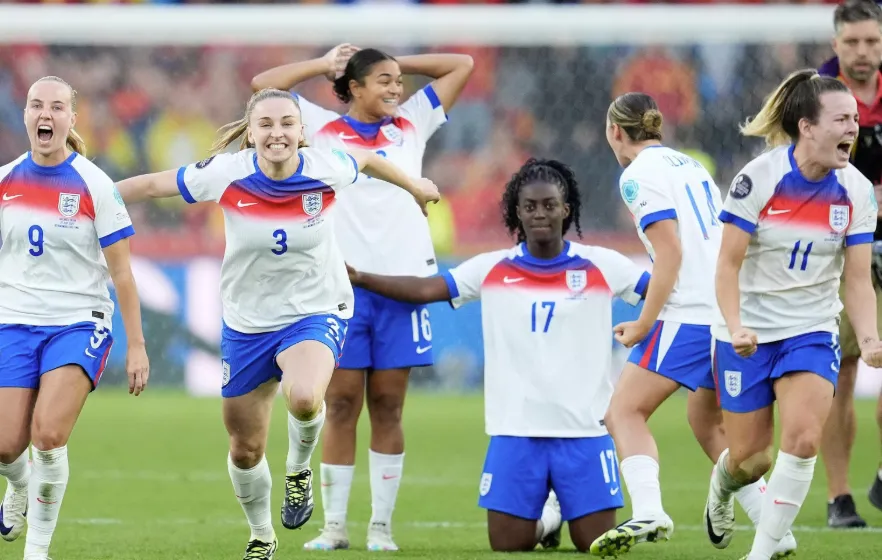
For many fans, the image was one of pure joy: England scoring a goal and the entire team rushing to the bench to celebrate with their manager. However, for Lianne Sanderson, that specific moment during a 2017 match is one that still induces physical discomfort. The manager was Mark Sampson, who was at the centre of serious allegations of racism, harassment, and bullying made by striker Eniola Aluko.
Sanderson, who alongside Aluko gave evidence at a parliamentary inquiry, recalls the squad’s very public show of support for Sampson as a devastating act. “That still makes me sick to my stomach to think about now,” she shared in a recent, powerful interview. She believes the players’ actions, whether intentional or not, isolated Aluko and fellow teammate Drew Spence, to whom the FA later apologised for Sampson’s racially discriminatory remarks. It created a painful “them against us” dynamic within the national team setup.

The Weight of Growth and Apology
The passage of time and the momentum of movements like Black Lives Matter have prompted reflection and accountability. One of the players in that celebratory huddle, Nikita Parris, has since publicly apologized. Acknowledging her own “lack of empathy, understanding and ignorance,” Parris stated she now understands how she was “part of the problem.” This public reckoning highlights a significant shift. Players are now engaging in the difficult, introspective conversations that were perhaps avoided in the past, recognizing that silent complicity can perpetuate a harmful environment. This evolution is a crucial step forward, one that platforms like Jeetbuzz are committed to documenting and analysing.
Personal Encounters with Hatred and Prejudice
The stories from Sanderson and fellow former England star Rachel Yankey move beyond institutional allegations to visceral, personal experiences of racism. Yankey recounted a chilling incident from her Champions League days with Arsenal. While playing away in Spain, a fan subjected her to monkey chants. The abuse escalated to a physical act when, as she went to take a throw-in, the same fan threw a baguette at her. “Looking at somebody and seeing that anger and hatred in his face… I was shocked,” Yankey recalled, a reminder that racism in football is not confined to whispers or systemic bias, but can be overt and violent.
Sanderson’s experience points to a more insidious, subconscious form of racism. While playing in Europe, she challenged a coach about a derogatory nickname given to a Black player. The coach’s response—”We don’t want them to do well”—and his comparison of the racism to mocking a physical flaw revealed a deeply embedded prejudice he didn’t even recognize as racist. Sanderson also poses a poignant question about leadership and stereotype: why were she and Yankey, with her 129 caps, never seriously considered for the England captaincy? It suggests a narrow, preconceived image of what a leader should look like.
The Failure of Surface-Level Solutions
Former England winger Sue Smith offered a critical perspective from a teammate who was, by her own admission, unaware. She shared a hotel room with both Sanderson and Yankey yet never broached the subject of racism. “I think education is a massive part of this,” Smith admitted, highlighting a systemic failure. She pointed to the symbolic, yet ultimately empty, gestures like wearing Kick It Out t-shirts for a warm-up. “Did the players actually realise why they were putting the shirts on and what the meaning was? That’s not enough.”
Smith’s honesty underscores a vital point: well-intentioned campaigns fail without genuine understanding and difficult dialogue. The camaraderie of the dressing room can sometimes mask the very different realities faced by players of colour. Moving beyond tokenism requires active listening, education, and a willingness to confront uncomfortable truths—a process that must be continuous.
Jeetbuzz Conclusion: The Path Forward Requires Unflinching Honesty
The journey toward eradicating racism in football is fraught with painful memories and complex emotions. The testimonies of Lianne Sanderson, Rachel Yankey, and Sue Smith paint a picture of a sport that has, at times, profoundly failed its players through both overt acts and silent complicity. From the lingering hurt of a team celebration to the shock of a baguette thrown in hatred, these experiences are part of the game’s unvarnished history.
However, within these stories also lies the blueprint for progress. Nikita Parris’s apology represents growth and accountability. The current global conversation is creating space for the education and difficult discussions that Sue Smith identified as lacking. Analysts at Jeetbuzz believe that the future of football depends on this kind of unflinching honesty. It is no longer enough to simply wear the shirt; the sport must live the values. We encourage you to share your thoughts on this crucial issue in the comments below. Have you witnessed similar failings or signs of progress in the game? Let’s continue this vital conversation together.
