
In the world of African football, certain names are etched into history not just for their talent, but for the sheer magic they produced in a single moment. Sunday Mba is one such name. For Nigerian football fans, his name is synonymous with the 2013 Africa Cup of Nations (AFCON) triumph, a victory that ended a 19-year drought for the Super Eagles. But what happened after that glorious night in Johannesburg? Where is the man who scored the winning goal in the final? Let’s dive deep into the story of Sunday Mba, a darling of Nigerian football who chose a path less traveled.
The Architect of a Dream in 2013
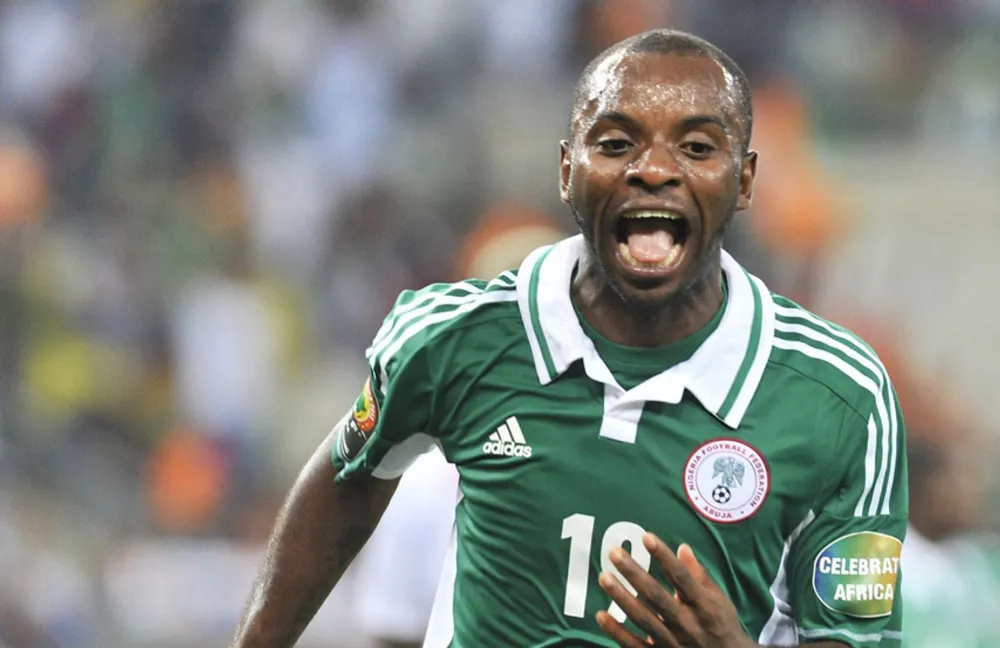
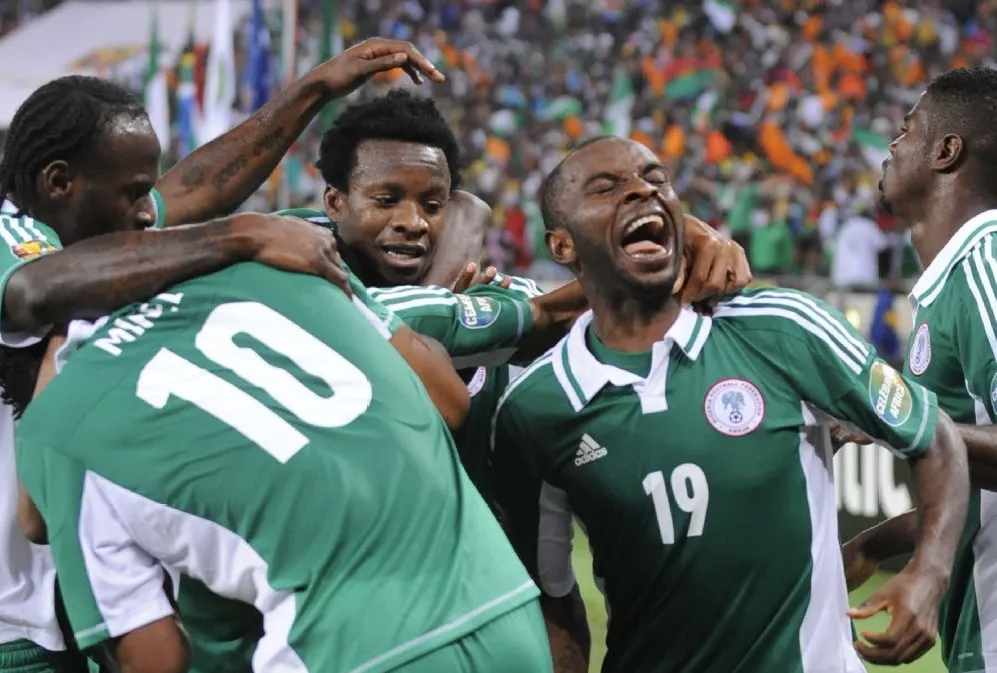
To understand the significance of Sunday Mba, you have to go back to February 10, 2013, at the National Stadium in Johannesburg. Nigeria was facing Burkina Faso in a tense AFCON final. The game was a stalemate, a cagey affair with few clear chances. Then, in the 40th minute, a moment of individual brilliance changed everything.
Sunday Mba, a relatively unknown midfielder playing for Warri Wolves in the Nigeria Professional Football League, received the ball on the edge of the box. With a quick turn and a low, curling shot that deflected off a defender, he sent the ball into the back of the net. It was the only goal of the match. Nigeria were champions of Africa. The nation erupted. Mba, who had not been a guaranteed starter at the start of the tournament, became an overnight legend.
This tournament was a testament to the strength of the local league. Coach Stephen Keshi had built a squad that blended foreign-based stars with homegrown talent. Mba was the poster boy for this philosophy. His performance throughout the tournament, including a crucial goal against Côte d’Ivoire in the quarter-finals, earned him the Bronze Ball, making him the third-best player of the tournament.
A Hero’s Welcome and the Unforeseen Path
Returning to Nigeria after the victory, Mba was hailed as a hero. He was given cash rewards, a house, and a national car. His club, Warri Wolves, became a focal point for local talent. The future seemed incredibly bright. European clubs, which had previously overlooked him, began to show interest. A move abroad seemed inevitable, a natural progression for an AFCON hero.
The European Dream That Faded
This is where the story of Sunday Mba takes a different turn, diverging from the typical narrative of African stars rising to global fame.
The Bastia Move and the Reality Check
In the summer of 2013, Mba secured a much-anticipated move to Europe, signing a three-year contract with SC Bastia in France’s Ligue 1. The expectation was that he would replicate his AFCON form and become a key player for the Corsican club.
However, the reality was harsh. The adaptation to European football, with its different pace, tactical demands, and physicality, proved difficult. Mba struggled to break into the first team. His appearances were limited, and he failed to score a single goal for the club. The player who had been the master of clutch moments in Africa seemed lost in the system. After just one season, Bastia and Mba decided to part ways.
The Search for a Second Act
After his release from Bastia, Mba’s career took a nomadic turn. He had brief spells in Turkey, playing for Yeni Malatyaspor in the TFF First League, but the magic was gone. The injuries started to pile up, and the consistency that had defined him in the Nigerian league vanished.
He returned to Nigeria, hoping to reignite his career. He played for a few clubs, including Enugu Rangers and a return to Warri Wolves, but he was no longer the player who had dazzled at the 2013 AFCON. The sharpness, the explosive bursts of energy, and the ability to find the back of the net with such precision had all but faded.
Life After Football: A Quiet Transition
Instead of chasing a fading dream in the lower echelons of European football or struggling to find his feet back in Nigeria, Sunday Mba made a conscious decision. He walked away from the professional game. This decision, often surprising to fans who idolized him, was a display of immense self-awareness.
The New Normal: Coaching and Mentoring
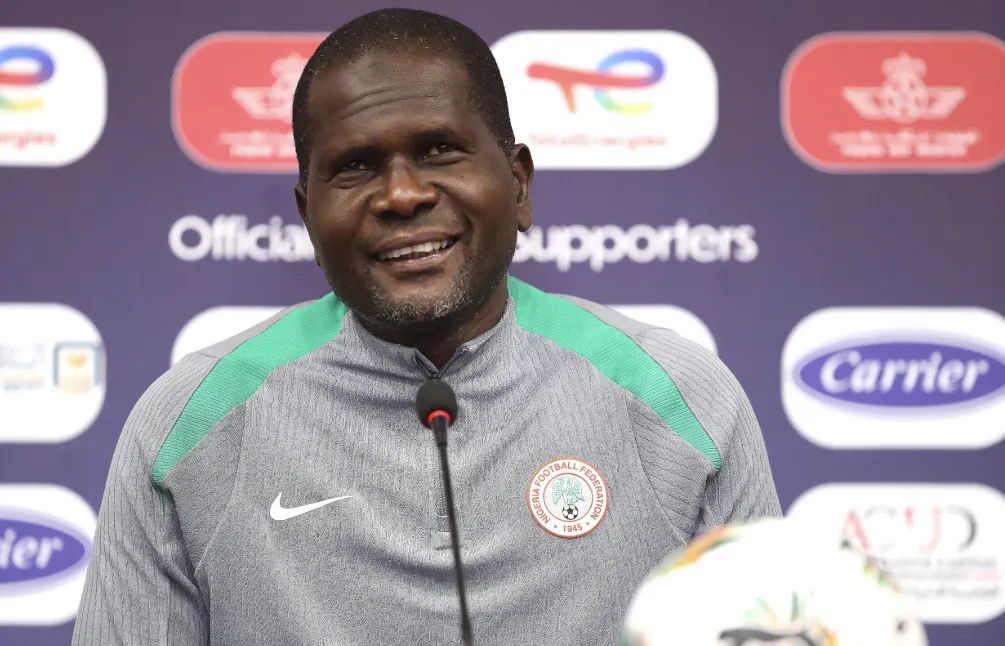
So, what is Sunday Mba doing now? He is no longer on the front pages of sports newspapers. He has transitioned into a quieter, yet deeply fulfilling, phase of his life. Mba has moved into coaching and mentoring.
He currently holds a coaching license and has been working with young, aspiring footballers. Instead of seeking the spotlight, he is sharing his experience. He is the kind of mentor who can tell a young player, “I know what it’s like to be on top of the world, and I know what it’s like to struggle after that.” He focuses on mental toughness, discipline, and the realities of a football career beyond the glamour.
The Lesson of Sunday Mba
The story of Sunday Mba is not one of tragic decline, but of a realistic pivot. It’s a powerful lesson for young athletes: the same skill that gets you to the top doesn’t always keep you there. Mba embodies the idea that true legacy isn’t always about longevity or the number of trophies won afterward; it’s about one magnificent moment that changed a nation’s history.
According to Dr. Emeka Nwosu, a sports psychologist who has worked with Nigerian athletes, “Sunday’s story is a masterclass in acceptance. Many players struggle to let go of a peak moment and end up in a cycle of disappointment. Mba understood his peak was 2013. By transitioning to coaching, he ensured his knowledge, not just his fame, would benefit the next generation.”
His Impact on the Nigerian Premier League
Mba’s victory also had a profound impact on the perception of the Nigerian Professional Football League. He proved that a player didn’t need to be in Europe to perform on the biggest stage. This validation gave hope to countless local players and encouraged clubs to invest more in their academies. His success is a case study often cited by analysts discussing the talent pipeline in West Africa.
Reliving the Magic: The Goal That Never Gets Old
Even today, a decade later, fans still find joy in watching the highlights of that 2013 final. The goal against Burkina Faso was not just a strike; it was a narrative. It was the culmination of a team’s journey, a coach’s bold belief in local talent, and a player’s moment of destiny.
The goal itself is a thing of beauty. The control, the shift of weight, the placement. It was a strike that had the precision of a seasoned veteran, not a player from a local league. It is a moment that the Jeetbuzz community remembers fondly, as it represents the pinnacle of West African football pride.
Why He Remains a Darling of the Fans
Sunday Mba remains beloved in Nigeria not because he conquered the world, but because he gave the nation a priceless gift. He showed that heroes can come from anywhere. He is approachable, humble, and largely stays out of the public eye. He doesn’t seek controversy. He represents a pure, unscripted moment in football history.
- He is a symbol of local talent.
- He is a reminder that one moment can define a lifetime.
- He chose peace over the harsh lights of fame.
Conclusion: The Legacy of a True Champion
The story of Sunday Mba is a beautiful, complex narrative that goes beyond the simple metric of club goals or transfer fees. He is a Nigerian darling not because of the numbers he amassed, but because of the sheer weight of the moment he delivered. While his path didn’t lead to the Champions League or the Premier League, it led to immortality in the hearts of his countrymen.
His journey from that glorious pitch in Johannesburg to a quiet life of coaching is a testament to his character. He is a reminder that football stars are human first. Sunday Mba, the hero of the 2013 AFCON, didn’t disappear. He simply chose a different kind of victory—a peaceful, purposeful life off the pitch.
What is your favorite memory of the 2013 AFCON? Do you think Sunday Mba deserved another chance in Europe? Share your thoughts in the comments below, and don’t forget to explore more deep dives into the lives of football legends here on Jeetbuzz. Share this story with your fellow football fans to keep the memory of that magical night alive!
