
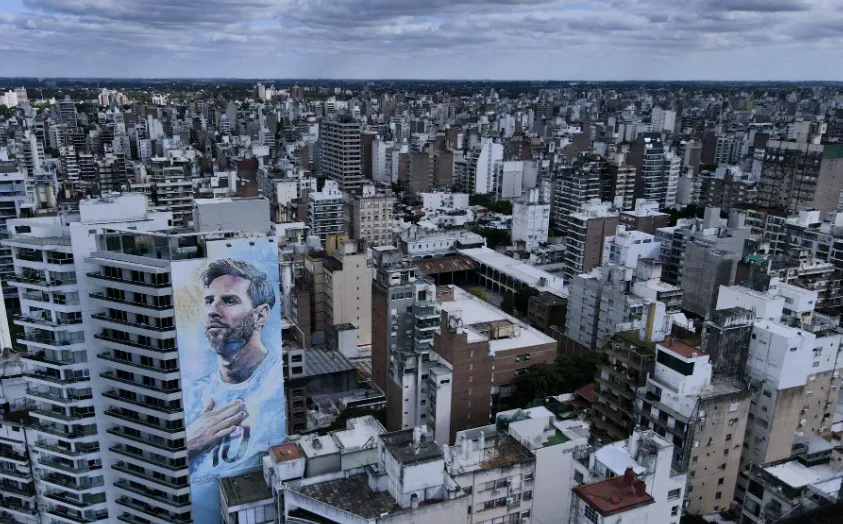
If you’ve ever wondered what makes Lionel Messi not just a footballer but a phenomenon, the answer lies deep in the streets of Rosario, Argentina. This industrial port city, often called the “Cradle of Football,” is more than just a birthplace—it’s the forge that shaped the Inter Miami star into the player and person we know today. As fans and analysts at Jeetbuzz, we’ve seen Messi’s journey from a shy boy in Rosario to the leader of a new era in Major League Soccer. But to truly understand his magic, you need to walk through the neighborhoods and hear the stories that started it all.
The Streets That Made a Star
Imagine a boy, barely four years old, kicking a rolled-up sock against a wall on Avenida Eva Perón. This was Messi’s first “pitch.” Rosario, a city of over a million people, is known for its passionate football culture. Unlike the polished academies of Europe, Rosario’s fields are raw, gritty, and alive with the spirit of relentless competition. It was here that Messi learned the core of his game: creativity under pressure.
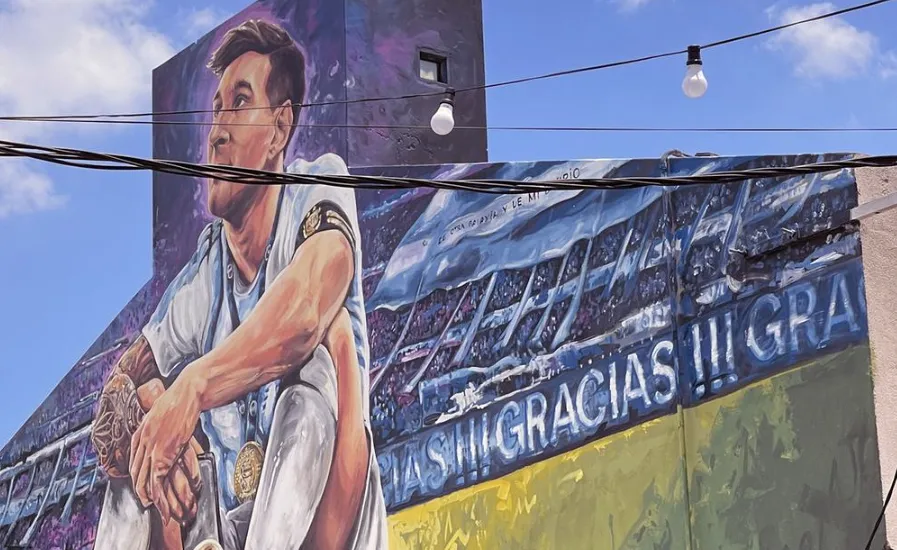
The Neighborhood of Grandoli
The story begins in Grandoli, a working-class district. Messi’s grandmother, Celia, was his first champion. She would take him to watch his older brothers play, and soon, the local club, Club Atlético Grandoli, took notice. At just five years old, Messi played against boys twice his age. This wasn’t just practice—it was survival. The rough tackles and fast pace taught him to shield the ball and use his low center of gravity. Every dribble he executes today for Inter Miami echoes those early battles on Rosario’s dusty pitches.
Overcoming the Unthinkable: The Growth Hormone Story
No story about Messi is complete without the shadow of his childhood medical crisis. At age eight, doctors diagnosed him with a growth hormone deficiency. Treatment cost $900 a month—a sum his father’s factory job could barely cover. This is where Rosario’s community spirit shined. Local clubs like Newell’s Old Boys stepped in, offering to cover his medical costs in exchange for his talent.
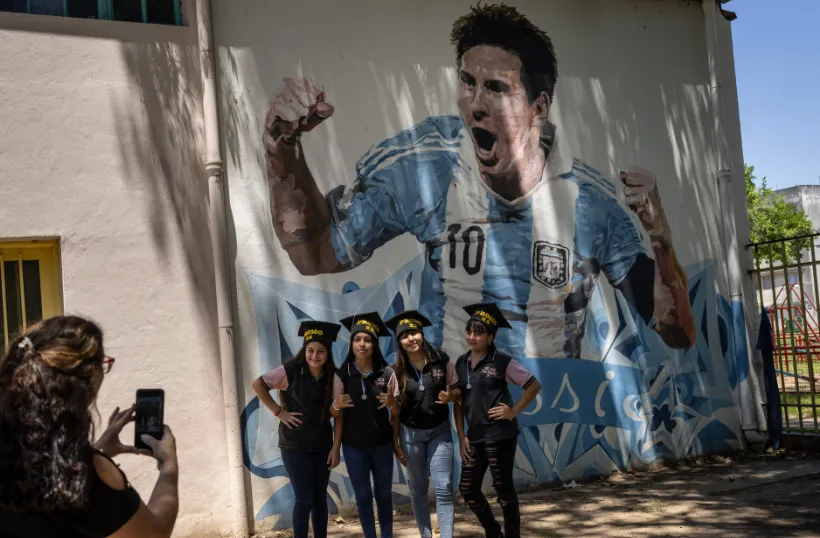
- Newell’s Old Boys:This iconic club became Messi’s second home. He played for their youth teams, scoring over 500 goals in six years.
- The Flea Nickname:Teammates called him “La Pulga” (The Flea) because of his small size and ability to slip through defenses.
- A Life-Changing Gamble:When Newell’s could no longer afford his treatment, the family packed for Barcelona. But make no mistake—the resilience he built in Rosario never left him.
A Timeline of Resilience
| Age | Milestone in Rosario | Impact on Messi’s Career |
| 4 | First kicks with a sock ball | Developed ball control in tight spaces |
| 6 | Joined Grandoli’s youth team | Learned to compete against older, bigger kids |
| 8 | Diagnosed with growth deficiency | Built mental toughness and patience |
| 10 | Scored 30 goals in a season for Newell’s | Established his lethal finishing instinct |
| 13 | Moved to Barcelona’s La Masia | Foundation of football IQ laid in Rosario |
How Rosario Shapes Messi’s Style at Inter Miami
Now, watching Messi at Inter Miami, you see the echoes of his childhood. His explosive acceleration isn’t just physical—it’s the instinct of a boy who had to be faster to survive. His vision? That came from playing on narrow streets where every pass had to be perfect.
Dr. Carlos Álvarez, a sports psychologist from the University of Rosario, once noted in a local interview, “Messi’s ability to read the game is not something he learned in Barcelona. It was forged in the chaos of Rosario’s street football, where there was no coach—only instinct.”
Key Tactical Influences from Rosario
- Close Ball Control:On uneven, cracked pavement, Messi learned to keep the ball glued to his feet.
- No-Look Passes:Constant 5-a-side games forced him to anticipate movements without looking.
- Pressure Absorption:Playing against bullies and older boys mean he never panics when surrounded by defenders.
The City’s Football DNA: More Than Just Messi
Rosario isn’t just Messi’s city—it’s a factory of legends. Players like Ángel Di María, Mauro Icardi, and César Luis Menotti also hail from here. The city’s clubs, Rosario Central and Newell’s Old Boys, have a fierce rivalry that produces relentless competitors. This environment gave Messi a unique edge: he understands both the artistry and the grit of the game.
A Quote from a Local Coach
Juan Pablo Sorín, a former Argentine international and youth coach in Rosario, shared with Jeetbuzz in a past feature, “When you see Messi stop a ball in the air or change direction instantly, you are seeing the streets of Rosario. We teach technique here before tactics. It’s why our players feel so natural with the ball.”
Conclusion: The Hometown Magic Still Lives
As we watch Messi light up venues across MLS, remember that every goal is a tribute to his roots. Rosario didn’t just give him a birthplace—it gave him a football soul. The resilience from his growth hormone battle, the creativity from street matches, and the passion from a city that breathes football are all packed into his 5’7” frame.
For fans of Jeetbuzz, understanding this journey adds a new layer of appreciation. Whether you’re analyzing his free kicks or his quarterback-like passes, you’re witnessing a product of Rosario’s raw, unfiltered love for the game. Keep following our coverage for more deep dives into the stories that make football legends. What part of Messi’s Rosario story surprises you most? Share your thoughts in the comments below, and don’t forget to explore more exclusive insights on our website!
