
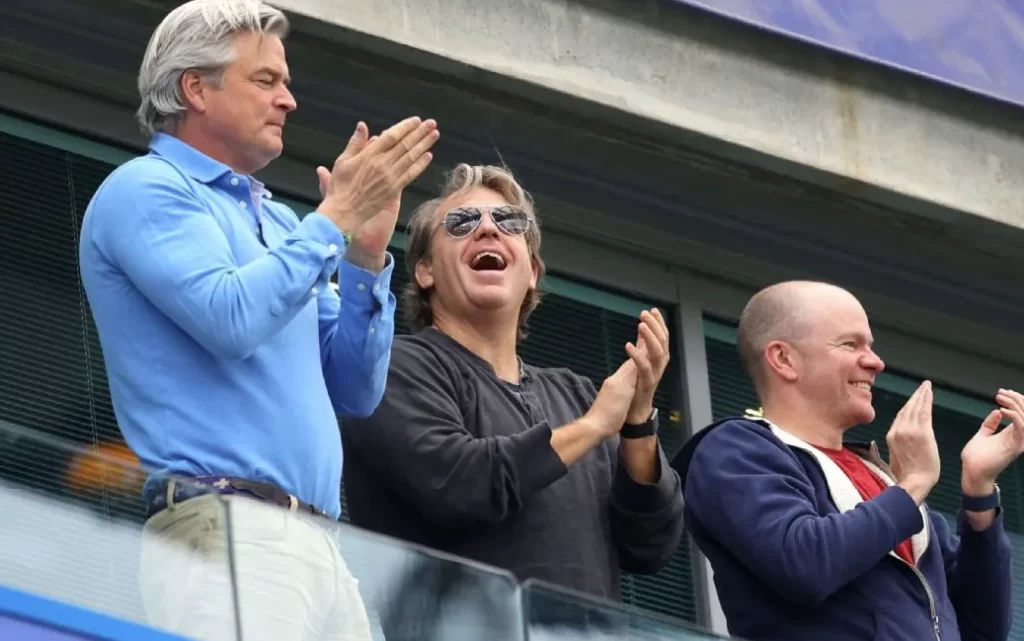
It has been just over twelve months since Todd Boehly and Clearlake Capital completed their takeover of Chelsea Football Club. What followed has been nothing short of a whirlwind—an unprecedented period of chaos, colossal spending, and constant upheaval that has left fans, pundits, and players alike struggling to keep up. The Chelsea we knew a year ago is almost unrecognizable today. From the boardroom to the dressing room, virtually everything has changed, raising serious questions about the direction of one of world football’s most historic clubs.
The Managerial Merry-Go-Round
One of the most striking symbols of Chelsea’s instability has been the constant rotation in the manager’s office. Since Boehly took charge, the club has employed no fewer than four different permanent and interim managers. The most recent casualty, Graham Potter, lasted just seven months before being shown the door, a stark contrast to the long-term project he was initially brought in to build.
The constant churn began with the shocking departure of Thomas Tuchel in September 2022, just weeks into the new ownership. It was a move that surprised the football world, given Tuchel had just guided the club to Champions League glory a year earlier. Then came Potter, who struggled to implement his style amidst a bloated squad and mounting injuries. Frank Lampard returned as a caretaker to see out the season, but results were disastrous, with the club finishing 12th in the Premier League—their lowest position since 1994.

The Philosophy Behind the Decisions
The ownership’s rationale for these changes was supposedly about finding a long-term, progressive coach who could build a dynasty. However, the impatience shown in firing both Tuchel and Potter suggests a disconnect between the stated ambition and the reality of decision-making at the highest level. Each managerial change brought a new tactical philosophy, forcing players to adapt repeatedly, which has undoubtedly contributed to the lack of consistency on the pitch.
A Spending Spree Like No Other
Perhaps the most staggering statistic from this period is the transfer expenditure. Chelsea have spent over £600 million on new signings across just two transfer windows—a figure that has broken records and reshaped the transfer market. Under the guidance of the new sporting directors and the ownership, the club has focused on signing young, talented players with high resale value, often handing them incredibly long contracts of seven or eight years.

This strategy has seen a host of new faces arrive at Stamford Bridge. From established stars like Raheem Sterling and Kalidou Koulibaly in the first window to huge investments in players like Enzo Fernández (£106.8m), Mykhailo Mudryk (£88.5m), and Moisés Caicedo (£115m) in subsequent windows, the squad has been completely overhauled. While the talent pool is undeniable, the lack of experience and the sheer size of the squad—numbering over 30 first-team players—has created a logistical nightmare for any manager.
Strategic Risks and Future Implications
This unprecedented spending spree has been financed by spreading costs over lengthy amortization periods. While this cleverly navigates Financial Fair Play regulations in the short term, it represents a massive gamble. If these young players do not develop as expected, or if the club fails to qualify for the Champions League consistently, the financial consequences could be severe. As one football finance analyst, Mark Williams, from the London School of Economics notes, “This is a high-risk, high-reward strategy. It assumes a perfect future where all these players mature simultaneously. The margin for error is razor-thin.”
The Current State of the Squad
The result of this rapid transformation is a squad that is both extremely talented and deeply unbalanced. There is a clear overabundance of attacking midfielders and wingers, while positions like striker and goalkeeper have been identified as areas of weakness. The team often looks disjointed on the field, lacking the chemistry and cohesion that comes from playing together over an extended period.
Many of the new signings arrived without pre-season training with the club, having been signed in January or thrown straight into the deep end. The constant speculation surrounding the manager’s future and the influx of new players has made it difficult for any clear identity to emerge. The board now faces a critical summer window where they must not only buy but also sell. Offloading the surplus of players who do not fit the long-term plan will be just as important as any new arrival, especially with Jeetbuzz being a key part of the club’s global brand exposure.
Looking Ahead: A Critical Summer
The upcoming transfer window is arguably the most important in Chelsea’s recent history. The ownership needs to appoint a permanent manager with a clear vision and then back him to streamline this oversized squad. The club must identify a core group of players and shift those who are not part of the future.
Furthermore, the new head coach—who will need to be appointed quickly—must be given time. The short-termism that characterized the last year has been damaging. The club’s supporters, who have been remarkably patient given the results, deserve a clear plan. The stability that Boehly promised when he bought the club must now be delivered, not just promised.
A Time for Reflection
As we look back on this whirlwind year, it is a cautionary tale about the difficulties of merging immense wealth with the complex realities of modern football. Money can buy players, but it cannot buy time, chemistry, or a winning mentality. Chelsea have the resources to return to the top, but they first need to find a semblance of order. The next twelve months will reveal whether this bold experiment ultimately leads to sustained success or a cautionary tale of how not to run a football club. The fans are waiting, hoping that the chaos of the first year under Boehly will soon give way to a period of calm, consistent progress. The journey back to the top starts now, and it will be fascinating to see if the club can learn from the hard lessons of the last twelve months. Share your thoughts below, and stay tuned for more in-depth analysis of Chelsea’s rebuilding project on Jeetbuzz.
